‘Radical Women’ at the Hammer Museum Is the Kind of Show That Art Critics Live For It leaves you wanting more, and asking questions. “ Radical Women: Latin American Art, 1960-1985 ” at the Hammer Museum in Los Angeles, is not just a fantastic exhibition. It’s the kind of exhibition that people always say we need more of—as regular as a ticking clock—every time the latest selfie-courting contemporary-art spectacular provokes a new spasm of anguish from critics about the decline of the museum. Based on six years of research, “Radical Women” is a serious and scholarly show. And yet at the same time it feels like its own kind of crowd-pleaser. You don’t have to choose between being smart and being popular if you’re telling a story that feels necessary. And “Radical Women” has necessary stories to spare. Installation view of “Radical Women.” Image: Ben Davis. The show brings together 116 female artists hailing from ...
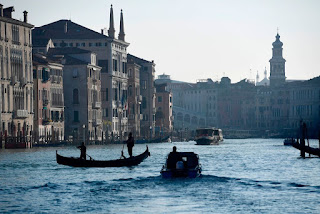
The 5 Biggest Controversies in Venice Biennale History The grand exhibition hasn't always covered itself in glory. Henri Neuendorf , May 9, 2017 The Grand Canal in Venice. Photo: MIGUEL MEDINA/AFP/Getty Images. The Venice Biennale is the grandest event in the art calendar—an international exhibition designed to compare and contrast world cultures through visual art. Yet the Biennale’s stature has not inoculated it against controversy over the years. The exhibition has suffered several dust-ups in its 114-year history, from vexing grand prize winners to derogatory showcases of “primitive” African art. On the eve of the opening of the 57th edition of the Biennale, we examine the historic festival’s five most contentious controversies. The Icelandic Pavilion at the 2015 Venice Biennale. Photo: alvendia1 via Instagram. Christoph Büchel Turns a Deconsecrated 10th Century Church Into a Mosque (2015) Police in Venice shut down Swi...
How Many Animals Have Died for Damien Hirst’s Art to Live? We Counted. Nearly one million, by our conservative estimate. Damien Hirst is back . More than a decade after he last made headlines, the artist has a new exhibition at François Pinault’s Palazzo Grassi and Punta Della Dogana in Venice with a new body of work that delves into the imagined story of an ancient collector and the shipwreck that consigned his treasures to the bottom of the sea. One of the many noteworthy elements of the show? It doesn’t contain the unusual art material that has powered Hirst’s most famous work: the dead bodies of animals. Ever since his explosive entry to the British art scene with his 1990 masterpiece One Thousand Years —a vitrine featuring a rotting cow skull that breeds maggots that become flies that meet their end from a buzzing bug zapper above—Hirst has made mortality the great theme of his oeuvre. He deploys real cadavers in gallery settings to confront viewers with the...



Comments
Post a Comment
Thank you for your response
Kind regards Pierre